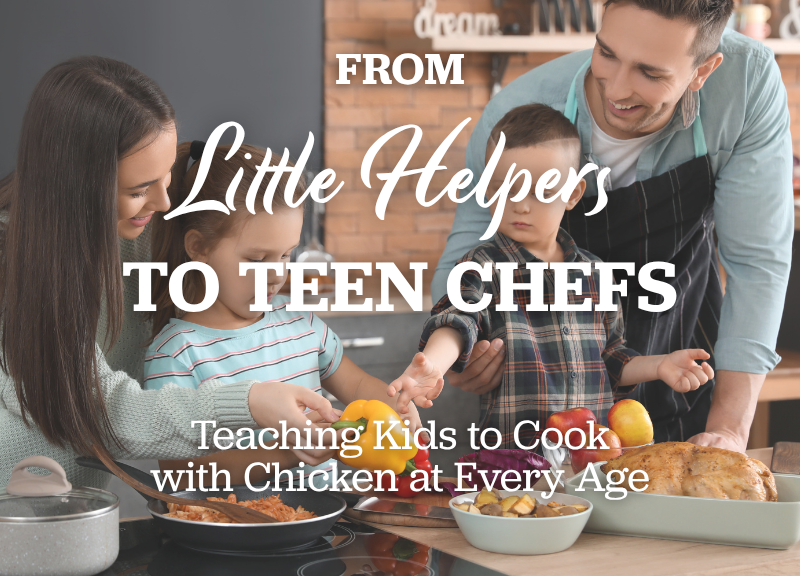
Summer break offers the perfect opportunity to teach kids skills they'll use for the rest of their lives. While camps, sports, and family vacations often fill the calendar, one of the most valuable places for learning may be right at home—in the kitchen.
Cooking teaches children much more than how to prepare a meal. It helps build confidence, encourages healthy eating habits, develops problem-solving skills, and creates meaningful family memories. And when it comes to introducing kids to cooking, chicken is an ideal ingredient. It's versatile, packed with protein, and works well in recipes that range from simple assembly projects to complete family meals. As kids learn their way around the kitchen, summer is also a great time to introduce important food safety lessons, including proper cooking temperatures and safe chicken storage practices.
Whether you're raising a curious preschooler or a teen preparing for life after high school, there are age-appropriate ways to get every child involved in the kitchen this summer.
Summer Chicken Cooking Challenge
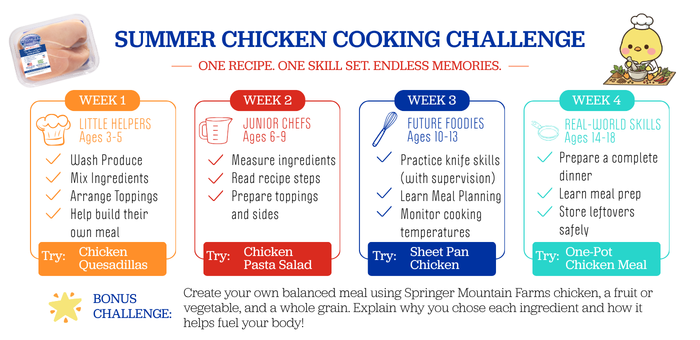
Looking for a fun way to keep kids engaged in the kitchen all summer long? Turn cooking into a family challenge by choosing one chicken recipe each week that's matched to your child's age and skill level.
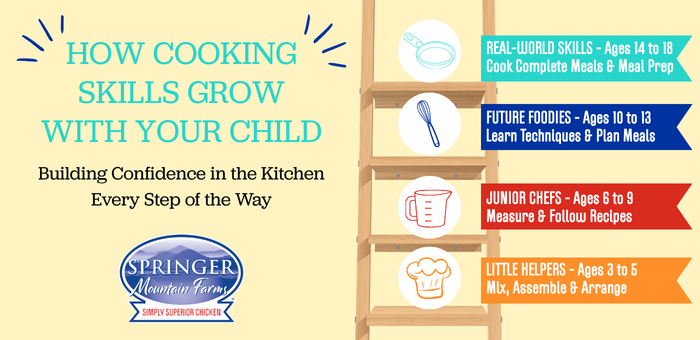
Week 1: Little Helpers (Ages 3–5)
Focus on simple assembly and participation.
Kids can:
- Wash produce
- Mix ingredients
- Arrange toppings
- Help build their own meal
Try: Quick Chicken Quesadilla Ideas little helpers will love!
Week 2: Junior Chefs (Ages 6–9)
Focus on measuring, following directions, and building confidence.
Kids can:
- Measure ingredients
- Read recipe steps
- Help prepare toppings and side dishes
Try: Marry Me Chicken Pasta Salad
Week 3: Future Foodies (Ages 10–13)
Focus on learning cooking techniques and kitchen responsibility.
Kids can:
- Practice basic knife skills with supervision
- Learn meal planning basics
- Help monitor cooking temperatures
Try: Sheet Pan Greek Chicken and Vegetables
Week 4: Real-World Skills (Ages 14–18)
Focus on independence and preparing complete meals.
Teens can:
- Prepare an entire dinner
- Learn meal prep strategies
- Practice proper food storage and leftovers management
Try: One Pot Chicken Orzo Bake
Bonus Challenge
Have each child create their own balanced meal using Springer Mountain Farms chicken, a fruit or vegetable, and a whole grain. Encourage them to explain why they chose each ingredient and how it helps fuel their body.
Ages 3–5: Little Helpers
At this age, cooking is all about exploration and participation. Young children love feeling included, and simple kitchen tasks can help them develop confidence while introducing healthy foods in a positive way.
Skills They Can Learn
- Washing fruits and vegetables
- Mixing ingredients
- Tearing lettuce or herbs
- Arranging ingredients
- Learning basic kitchen safety rules
Why Chicken Is a Great Choice
Chicken introduces young children to an important source of protein that helps support growth and development. It can also be incorporated into fun, hands-on meals that encourage kids to interact with their food.
Recipe Ideas
Chicken Bacon Ranch Biscuit Bombs
Grilled Chicken Berry Spinach Salad
As children help assemble meals, parents can begin simple conversations about healthy eating, explaining that protein helps build strong muscles and gives their bodies energy for active summer days.
Ages 6–9: Junior Chefs
Elementary-aged children are ready to take on more responsibility in the kitchen. They can begin following recipes, measuring ingredients, and learning how different foods work together to create a balanced meal.
Skills They Can Learn
- Reading simple recipes
- Measuring ingredients
- Following step-by-step instructions
- Organizing ingredients before cooking
- Practicing proper handwashing and food safety
Why Chicken Is a Great Choice
Chicken is an easy protein for kids to recognize and enjoy, making it a great starting point for learning how to build balanced meals that include protein, vegetables, fruits, and whole grains.
Recipe Ideas
Freezer Friendly Italian Chicken Meatballs
This age group also enjoys interactive meals where they can customize ingredients and make choices, helping them become more invested in healthy eating habits.
Ages 10–13: Future Foodies
As kids enter their tween years, they often become more interested in trying new foods and developing real cooking skills. This is an excellent time to introduce cooking techniques and nutrition concepts that will help them become more independent.
Skills They Can Learn
- Basic knife skills with supervision
- Meal planning
- Reading nutrition labels
- Understanding cooking methods
- Using kitchen tools safely
Why Chicken Is a Great Choice
Chicken provides high-quality protein that supports active lifestyles and growing bodies. It's also versatile enough to be used in a variety of cuisines, helping kids explore new flavors and cooking styles.
Recipe Ideas
Scratch-Made Air Fryer Chicken Nuggets
Dump and Bake Chicken Parmesan Pasta
Slow Cooker Honey Chipotle Chicken (Taco Meal Prep)
Parents can use cooking time to discuss how protein, vegetables, healthy fats, and carbohydrates work together to fuel sports, outdoor activities, and busy summer schedules.
Ages 14–18: Real-World Life Skills
Teenagers are capable of preparing complete meals and should begin learning skills that will help them succeed when they leave home. Summer is the perfect time to practice cooking, meal prep, grocery planning, and food safety.
Skills They Can Learn
- Cooking complete meals
- Meal prepping for the week
- Grocery shopping and budgeting
- Reading food labels
- Safe food storage and handling
Why Chicken Is a Great Choice
Chicken is affordable, nutritious, and easy to incorporate into meal prep routines, making it an excellent staple for teens learning to cook independently.
Recipe Ideas
Slow Cooker Shredded Chicken Burrito Bowls
These skills not only help teens become more self-sufficient but also encourage healthier eating habits as they transition into adulthood.
Teaching Food Safety Along the Way
Learning to cook starts with learning to cook safely.
As children become more involved in preparing meals, it's important to teach food safety habits that will serve them throughout their lives.
Wash Hands Often
One of the simplest but most important lessons is proper handwashing. Kids should wash their hands before handling food and after touching raw chicken.
Use Separate Surfaces
Help children understand why separate cutting boards and utensils should be used for raw chicken and ready-to-eat foods to help prevent cross-contamination.
Learn the Importance of Temperature
Using a meat thermometer is one of the most valuable cooking skills a young chef can learn.
This Chicken Internal Temperature Chart by Cut provides an easy-to-follow guide for cooking chicken safely and confidently. Families can use the chart to learn proper temperatures for chicken breasts, thighs, wings, and drumsticks while reinforcing important food safety habits.
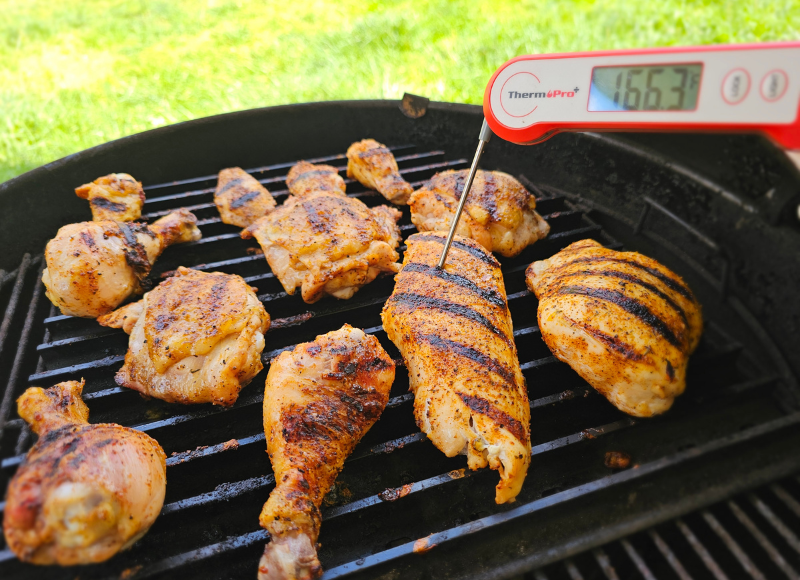
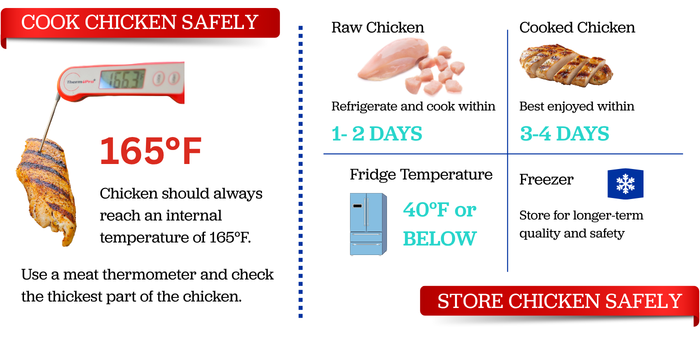
Chicken should always be cooked to an internal temperature of 165°F. Learning how to properly use a thermometer helps build confidence while reinforcing food safety habits that will last a lifetime.
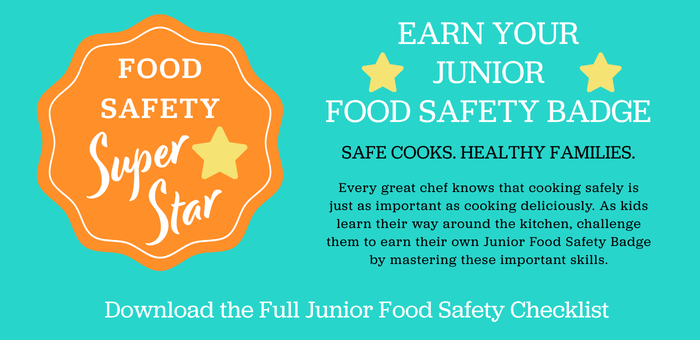
Click graphic above for downloadable checklist.
Earn Your Junior Food Safety Badge
Every great chef knows that cooking safely is just as important as cooking deliciously. As kids learn their way around the kitchen, challenge them to earn their own Junior Food Safety Badge by mastering these important skills.
Can You Check Off Every Task?
☐ Wash your hands with soap and water before cooking.
☐ Wash your hands again after touching raw chicken.
☐ Use separate cutting boards and utensils for raw chicken and ready-to-eat foods.
☐ Keep countertops and prep surfaces clean.
☐ Learn how to use a meat thermometer.
☐ Check that chicken reaches a safe internal temperature of 165°F.
☐ Put leftovers in the refrigerator promptly after meals.
☐ Help label leftovers so everyone knows when they were prepared.
☐ Learn how long raw and cooked chicken can safely stay in the refrigerator.
☐ Teach a family member one food safety fact you learned while cooking.
Bonus Challenge
Ask kids these food safety questions:
- What temperature should chicken reach before it's safe to eat?
- How many days can raw chicken stay in the refrigerator before it should be cooked or frozen?
- How many days can cooked chicken safely be stored in the refrigerator?
- Why should you use separate cutting boards for raw chicken and vegetables?
By the end of summer, your young chef won't just know how to cook a great meal—they'll understand the food safety habits that help keep the whole family healthy.
Teaching Proper Chicken Storage
Cooking skills don't end when dinner is over.
Understanding how to safely store food is another important lesson for young cooks.
The Springer Mountain Farms guide to How Long Chicken Lasts in the Fridge: Raw vs. Cooked is a valuable resource for families learning proper food storage practices.
Key lessons to teach young cooks include:
- Raw chicken should generally be cooked or frozen within 1–2 days of refrigeration.
- Cooked chicken is typically best enjoyed within 3–4 days when stored properly.
- Refrigerators should be maintained at 40°F or below.
- Leftovers should be refrigerated promptly after meals.
- Families should always check for signs of spoilage and follow food safety best practices.
Teaching children how to properly store ingredients and leftovers helps reduce food waste while reinforcing responsible kitchen habits.
More Than a Summer Activity
Cooking together creates opportunities for learning that extend far beyond the kitchen.
Children gain confidence when they help prepare meals. They learn how nutrition supports healthy growth. They develop problem-solving skills, practice responsibility, and build memories with family members along the way.
This summer, consider making the kitchen part of your family's adventure. With age-appropriate tasks, a focus on nutrition and food safety, and delicious recipes featuring Springer Mountain Farms chicken, kids can develop skills they'll carry with them for years to come.
From little helpers to future chefs, every child can find a place at the table—and in the kitchen.